Not every crack is a structural emergency, and not every crack is cosmetic. A foundation crack in a Wichita home needs to be read for what it actually says: how wide, how long, how it tracks, whether it is leaking water, and whether the two sides have moved relative to each other. The right call may be to inject and move on, or it may be to address the larger movement causing the crack. We diagnose before we sell.
These appear in poured concrete walls and slabs as the concrete cures, usually within the first year or two of construction. They are vertical, narrow, and often run from top to bottom in a basement wall. Most are cosmetic, but if the wall is below grade, even a hairline crack can let groundwater in.
Vertical and small diagonal cracks in a poured wall are usually shrinkage or minor settling. Wider diagonal cracks, especially those that radiate from corners or window openings, can indicate active soil movement and deserve a closer look.
A horizontal crack along the mid-height of a basement wall is almost never cosmetic. It means the wall is responding to lateral soil pressure. See our basement wall repair service for the structural response.
In a concrete block basement wall, cracks tend to follow the mortar joints in a stair-step pattern. Stair-step cracks usually indicate either differential settlement of the footing below the wall or lateral pressure pushing on the wall from outside.
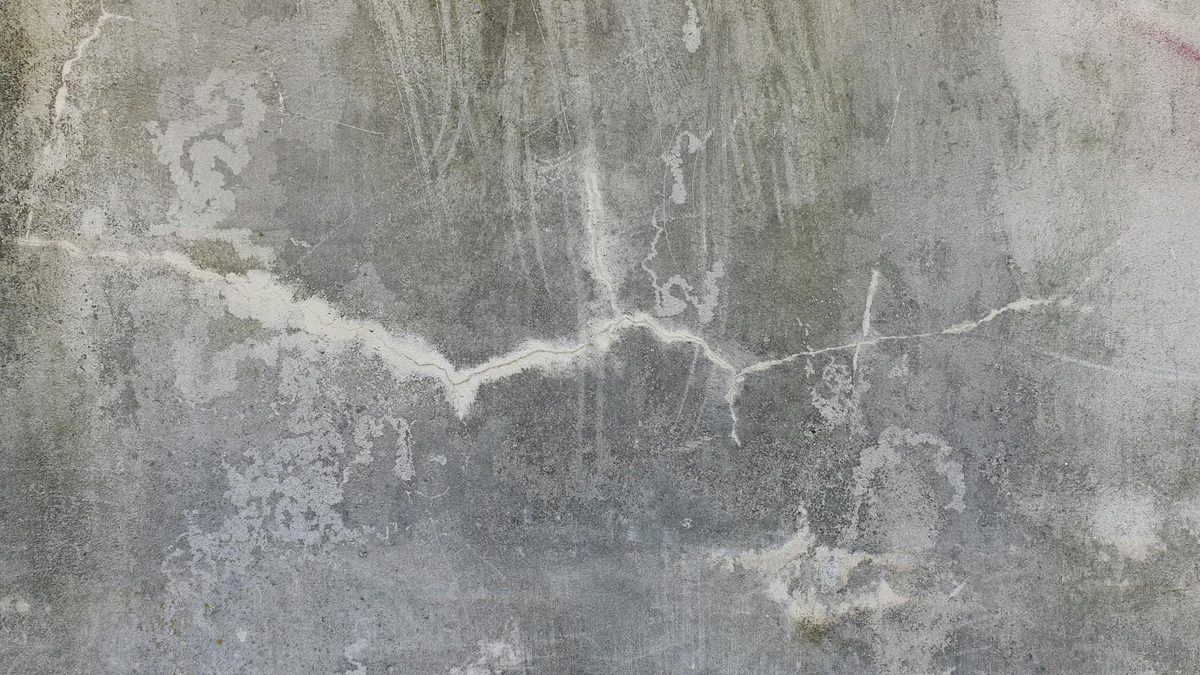
A two-part urethane is injected into the crack under pressure. It expands as it cures, fills the entire void, and remains flexible so small future movement does not break the seal. Urethane is the standard fix for an actively leaking basement crack in Wichita.
A two-part structural epoxy is injected into a clean, dry crack. The epoxy is rigid and very strong in tension, bonding the two sides of the crack into a single piece of concrete. Epoxy is the right choice when the structural continuity of the wall matters and there is no active water.
For non-leaking, non-structural hairline cracks where appearance is the only concern, a polyurethane sealant skim coat at the surface can be sufficient. We rarely recommend it as a stand-alone fix because it does not address the full depth of the crack.
Crack repair pairs with basement wall repair when the crack indicates lateral pressure, with foundation repair when it indicates settlement, or with slab foundation repair for slab cracks. We cover the full Wichita metro.
Wichita Foundation Pros connects homeowners with licensed, insured local foundation repair contractors. We are not the licensed contractor of record for every job.