(316) 330-2902Call Now - Free Inspection Free Inspection

Steel Piers vs Concrete Piers: A Wichita Foundation Comparison

A fair comparison of the two main pier methods used on Wichita residential foundations. How each one works, what they cost, where each one fits best, and the trade-offs no contractor wants to admit.

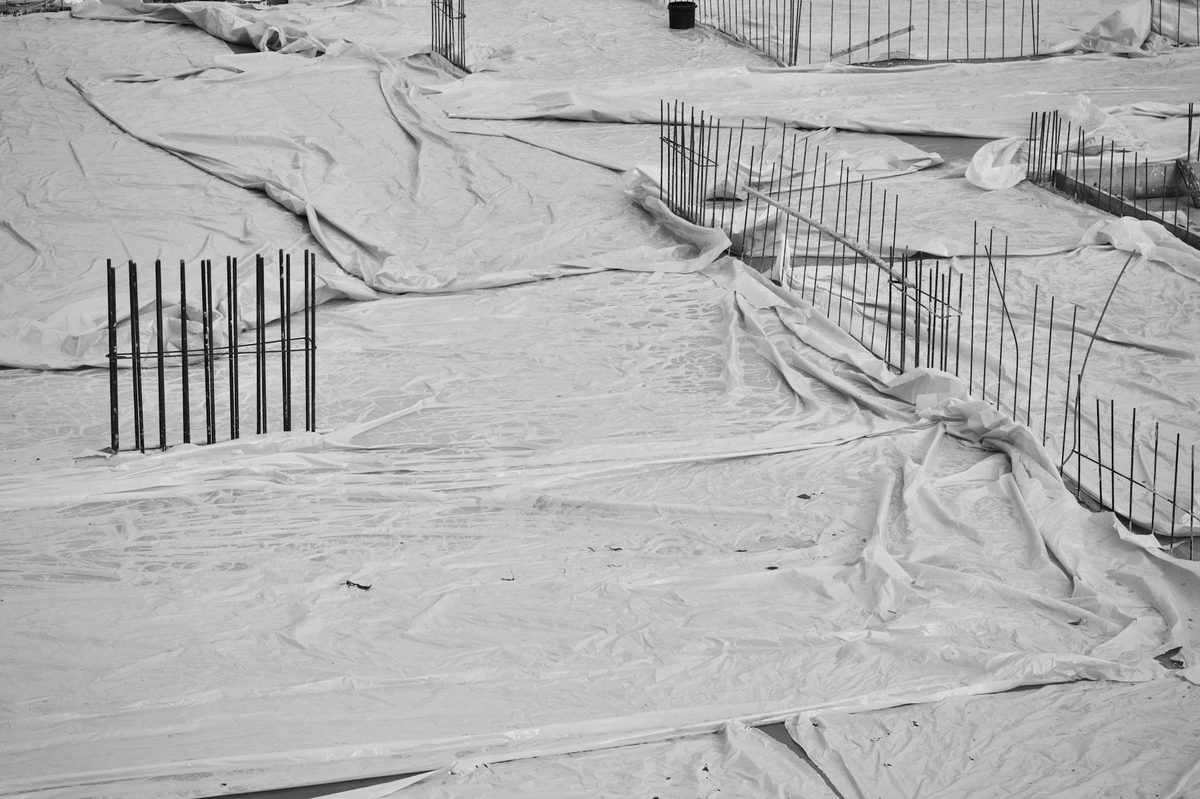
Steel piers vs concrete piers comparison for Wichita Kansas foundation repair

The Two Methods, Briefly

When a Wichita home settles and needs piers, the contractor is going to recommend one of two general approaches. The first is a steel pier, either a hydraulically driven push pier or a torque-installed helical pier. The second is a concrete pressed piling, which is a stack of short concrete cylinders pressed into the ground one at a time. Both methods have been used on Wichita-area foundations for decades. Both can work. Both have a place. The differences matter.

Steel Push Pier

A 3 to 4 inch diameter steel pipe is driven straight down in sections under the footing of the house. A hydraulic ram clamps to a bracket bolted to the footing and pushes each section down. The pier continues until it reaches refusal, meaning the pressure required to advance the pipe at that depth has hit the design target. The home's weight provides the resistance, and the final pressure tells you the capacity.

Helical Pier

A steel shaft with one or more steel helical plates welded on is screwed into the ground with a hydraulic torque motor. Capacity is read by torque rather than pressure. Helical piers are common on lighter structures, additions, porches, and new construction because they do not need building weight to install.

Concrete Pressed Piling

Short cylindrical concrete segments, typically 6 inches in diameter by 12 inches tall, are stacked one at a time and hydraulically pressed into the ground beneath the footing. Once the column of segments reaches the design depth or refusal, a cap and shim system completes the pier. The total pier is a vertical concrete column.
Side-by-Side Comparison

PropertySteel Push PierHelical PierConcrete Pressed Piling
MaterialSteel pipe sectionsSteel shaft with helix platesStacked concrete cylinders
Drive methodHydraulic ram, building weightHydraulic torque motorHydraulic press, building weight
Capacity verified byFinal pressure at refusalInstallation torqueFinal pressure, sometimes ambiguous
Typical Wichita depth15 to 30 ft10 to 25 ft8 to 20 ft
Per-pier cost$1,500 - $2,500$1,500 - $2,700$800 - $1,800
Engineering integrationStrongStrongVariable
Warranty transferabilityCommon, long-termCommon, long-termLess common, shorter terms
Best forSettled homes with significant weightLight structures, porches, additionsBudget projects, certain commercial

Where Steel Wins

Three places. Depth, verification, and warranty.

Depth. Steel piers, both push and helical, can reach 25, 30, even 40 feet when needed. Concrete pressed pilings tap out faster because the segments are short and the column relies on friction between segments. When the load-bearing strata under your Wichita house is 25 feet down, a steel pier can get there cleanly. A concrete pressed piling may struggle to.

Verification. A push pier reports its final pressure at refusal, and that pressure correlates directly to load capacity. A helical pier reports its installation torque, which also correlates to capacity. Both numbers can be documented for each individual pier and presented to a structural engineer or future homebuyer. Concrete pressed pilings have a pressure reading too, but the column-of-segments construction makes interpretation less clean, and not every concrete piling installer presents the documentation in the same way.

Warranty. Steel pier installations in Wichita typically come with long-term, transferable workmanship warranties on the pier system. Concrete pressed piling warranties vary more by installer and tend to be shorter and less transferable. For homeowners who care about resale, that matters.

Where Concrete Pressed Pilings Still Make Sense

Concrete pressed pilings are not obsolete. They have a real role on certain Wichita projects.

On larger commercial slabs where many piers are needed at modest depth and capacity, pressed pilings can be cost-competitive per linear foot of bearing wall. On older homes with very shallow footings, the smaller diameter of a concrete segment may fit access situations where a steel push pier bracket cannot bolt to the footing cleanly. Some homeowners on tight budgets choose concrete pressed pilings for shallow settlement at one corner where the soil profile is known to be favorable.

For deep settlement, significant lift, structural insurance work, or anywhere you want a paper trail you can hand a structural engineer, steel is the safer call.

How to Read a Pier Quote

Regardless of which method a contractor recommends, the quote should include:

If the quote is one line that says "install foundation piers" with a single dollar figure, ask for the itemization. Any reputable Wichita contractor will give it to you.

Pier Comparison FAQs

Related Reading

See the steel pier installation service page for installation detail, or the 2026 Wichita cost guide for current pricing. For background on the soil that makes piers necessary in this region, read why Kansas foundations crack.

Get a Pier Recommendation for Your Wichita Home

Free inspection. Engineered recommendation. Written quote.

📞 Call (316) 330-2902

Wichita Foundation Pros connects homeowners with licensed, insured local foundation repair contractors. We are not the licensed contractor of record for every job.

📞 Call (316) 330-2902 - Free Inspection